Northcote Road guide to rubbish collection in Battersea
Posted on 17/10/2026
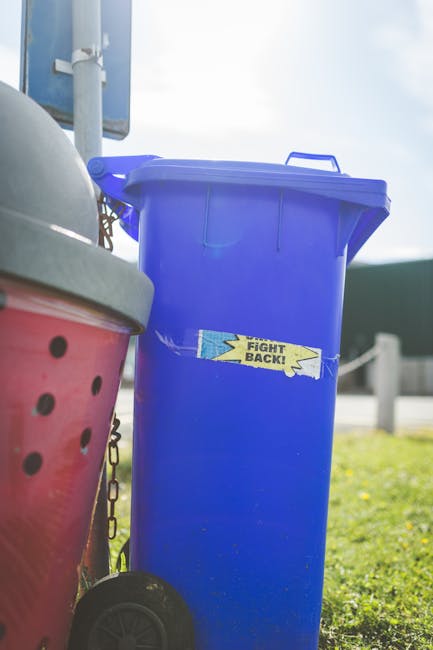
If you live, work, or renovate near Northcote Road, rubbish has a way of appearing at the worst possible time. A flat move, a kitchen refit, a garden tidy-up after a damp weekend, or just the usual build-up of cardboard and broken bits from everyday life can suddenly leave you staring at a pile and thinking: what now? This Northcote Road guide to rubbish collection in Battersea is here to make that decision easier.
We'll walk through how rubbish collection works locally, what makes this part of Battersea a little different, what to expect from a professional collection service, and how to avoid the classic mistakes that lead to delays, extra costs, or a mess on the pavement. To be fair, waste clearance is not glamorous. But getting it right makes life feel a lot calmer.
Whether you're clearing a single bulky item or planning a full property refresh, the goal is the same: remove waste safely, legally, and without wasting half your day on it.
Why Northcote Road guide to rubbish collection in Battersea Matters
Northcote Road sits in a busy, lived-in part of Battersea where homes, shops, cafes, small offices, and renovation projects all generate waste at the same time. That's why a practical approach to rubbish collection matters here more than in a quieter residential street. Traffic can be tight, parking can be awkward, and a couple of bags left outside for "later" can quickly become a problem.
The right rubbish collection plan helps you stay organised and keeps the street looking presentable. It also helps with neighbour relations, which, let's face it, matter a lot in a place where bins, pavements, and loading space are shared so closely. If you're preparing a property for sale or rent, a cleaner exterior can also make a surprisingly good first impression. For more local context on how property presentation affects decisions in the area, you may also find how to sell property in Battersea useful.
Another reason this guide matters is simple efficiency. A well-planned collection saves you from multiple trips to a tip, avoids confusion over what can be taken, and reduces the chance of mixing recyclable and non-recyclable waste. That sounds basic, but in practice it's often the detail that gets missed.
And on Northcote Road, where time is usually in short supply, "simple" is not a luxury. It's the whole point.
How Northcote Road guide to rubbish collection in Battersea Works
In practical terms, rubbish collection around Northcote Road usually falls into one of three buckets: household rubbish, bulky waste, or mixed waste from a project such as a move, declutter, or refurbishment. The collection method you choose depends on how much waste you have, what type it is, and how quickly you need it gone.
A professional collection service typically starts with a quick assessment of the load. That may be a photo-based estimate, a site visit, or a rough description of items. Once the waste is identified, the collection team decides on the right vehicle, the right number of crew, and the safest removal method. On a narrow road, that matters. Large pieces need to be moved carefully so they don't block access or cause damage inside stairwells and hallways.
People are often surprised by how much sortation happens behind the scenes. A good collection is not just "lift and tip". Reusable items may be separated, recyclable materials may be grouped, and different waste streams may be handled differently. If sustainability matters to you, it's worth reading the company's recycling and sustainability approach before booking.
For businesses near Northcote Road, the rhythm can be a bit different again. Offices and retail spaces may need clearance outside trading hours, with minimum disruption. If that sounds familiar, the broader office clearance in Battersea service is the kind of support that tends to make life easier rather quickly.
Truth be told, most rubbish collection problems begin when people guess instead of checking. One extra minute at the start usually saves an hour later.
Key Benefits and Practical Advantages
The obvious benefit is getting rid of unwanted waste. But the real value of a good collection service is broader than that. It helps protect your time, your property, and, in some cases, your back. Anyone who has tried carrying a sofa down a Battersea staircase on their own will know exactly what that means.
- Time saved: no multiple car trips, no lifting routine, no weekend lost to waste runs.
- Less stress: the pile disappears in one planned visit instead of hanging around for days.
- Safer handling: heavy, sharp, or awkward items are moved with proper care.
- Cleaner presentation: useful for homes on the market, short lets, or shopfronts.
- Better sorting: waste can be directed to the right channels more easily.
- Lower disruption: especially helpful where parking, access, or neighbours are a concern.
There's also a planning advantage. When you book rubbish collection in advance, you can align it with a move, delivery, builder visit, or deep clean. That small bit of coordination makes a big difference. A flat that is empty by lunchtime and cleaned by the evening feels completely different to one with boxes sitting in the hallway for three more days.
If the waste is tied to a renovation, the usefulness becomes even clearer. A coordinated collection makes room for tradespeople and helps you keep the work moving. For heavier project waste, the dedicated builders' waste disposal in Battersea option is often the better fit.
Who This Is For and When It Makes Sense
This guide is for anyone near Northcote Road who needs practical, no-nonsense rubbish removal. That includes homeowners, tenants, landlords, letting agents, shop owners, office managers, and anyone in the middle of a clear-out. It also suits people who simply do not want to spend their Saturday morning wrestling a mattress into a hatchback. Understandably so.
It makes particular sense in the following situations:
- You're moving in or out and need the final pile cleared quickly.
- You've renovated a kitchen, bathroom, or loft and need mixed waste removed.
- You're clearing a garden, balcony, or shared outdoor space.
- You run a business with regular packaging, fixtures, or broken items to remove.
- You've inherited a property and need an orderly clearance rather than a rushed one.
- You're preparing a home for sale or rental and want it looking tidy.
For larger residential clear-outs, a broader service can be more efficient than several smaller collections. If you're dealing with furniture, white goods, stored items, and general household clutter, house clearance in Battersea is often the more sensible route. For garden material, green cuttings, or soil-laden debris, garden waste removal in Battersea is usually a better match.
Some people only need a one-off collection. Others need a small reset every few months. Either way, the main question is not "Can I do this myself?" but "What's the most practical way to get it done properly?"
Step-by-Step Guidance
Here's the simplest way to handle rubbish collection near Northcote Road without turning it into a mini project of its own.
- Identify the waste type. Separate general rubbish, bulky items, green waste, and renovation debris. If you've got a bit of everything, note that too.
- Estimate the volume. A handful of bags is very different from a room full of furniture. Try to be honest here; overestimating slightly is fine, underestimating is where awkwardness starts.
- Check access. Think about stairs, lifts, parking, loading space, and whether the team can get close enough to the property.
- Decide whether items need sorting. If some things can be reused, recycled, or kept aside, do that before collection day.
- Gather useful photos. A few clear pictures help with planning and can avoid surprises.
- Choose the right service. A general rubbish collection is fine for mixed household waste; project waste or specialist loads may need a more specific service.
- Book a convenient slot. Morning works well for most Northcote Road properties because it gives you the rest of the day to breathe and tidy up.
- Clear the path. Move anything fragile, unlock gates if needed, and keep pets or children safely out of the way.
A small but important detail: if you live in a building with shared access, tell residents or building management in advance. It avoids the classic "Who left this here?" conversation in the hallway. Nobody enjoys that one.
For general service planning and what different collection options involve, the services overview is a sensible place to compare approaches before you book.
Expert Tips for Better Results
In our experience, the best rubbish collection jobs are the ones where a little preparation happens before the van arrives. Nothing complicated. Just a few smart habits.
- Keep like with like. Separate recyclable materials where practical so the load is easier to handle.
- Take bulky items apart. A dismantled wardrobe is easier to move than a fully assembled one. Same goes for bed frames and desks.
- Don't hide awkward waste. If there's plasterboard, paint tins, or mixed renovation material, say so early.
- Choose a realistic collection window. If you're trying to squeeze it between school run and a builder's arrival, it tends to get messy.
- Ask about disposal standards. A reputable provider should be clear about handling, sorting, and what happens next.
One useful habit is to create a "go" pile and a "maybe" pile. It sounds almost too simple, but it stops perfectly good items being bundled in with waste just because the room is feeling chaotic. That happens a lot when people are rushed.
If you care about the broader impact of what's being thrown away, look for providers that explain their waste handling clearly and openly. A good overview of responsible handling can also be found in the recycling and sustainability guide.
And yes, label the boxes. Future-you will be grateful.

Common Mistakes to Avoid
Most rubbish collection headaches come from a handful of very avoidable errors. The good news? They're easy to spot once you know what to look for.
- Leaving booking details vague. "A few bits and pieces" is not enough if there's actually a sofa, a mattress, and five heavy bags.
- Forgetting access issues. Narrow staircases, low parking tolerance, and controlled entry can all affect timing.
- Mixing waste types without warning. Green waste, builders' waste, and general household clutter are not always handled the same way.
- Waiting until the last minute. That usually means less choice, more stress, and more expensive options.
- Leaving items on the pavement too early. In a busy area, that can create a nuisance and attract more waste.
- Assuming everything is recyclable. It would be lovely if that were true, but it's not.
Another mistake is forgetting that internal lifts and common areas can be the limiting factor, not the rubbish itself. A job that looks tiny at street level may be a nuisance on the fourth floor. Not ideal, obviously.
For businesses and commercial tenants, another common issue is underestimating how much clutter has built up over time. The paperwork pile, old displays, broken shelving, and archive boxes often add up faster than expected. That's where an organised waste removal service in Battersea can be a better fit than ad hoc disposal.
Tools, Resources and Recommendations
You don't need a mountain of equipment to prepare for rubbish collection, but a few basic tools make the job much smoother. A marker pen, bin bags, tape, a trolley, and a screwdriver set are often enough to change the whole experience from chaotic to manageable.
Here are the most useful practical items and approaches:
- Heavy-duty bags: useful for mixed household waste and smaller loose items.
- Box cutter or screwdriver: helps dismantle packaging and flat-pack furniture safely.
- Reusable crates or boxes: useful if you want to separate items before collection.
- Labels or sticky notes: great for marking keep, donate, recycle, and remove.
- Gloves: basic, but worth having when sorting old storage items.
- Phone camera: photos help with quoting and planning.
If you're comparing providers or deciding how to structure the job, it helps to read up on the different services and ask direct questions. Their pricing and quotes page can also give you a clearer idea of how estimates are usually presented, even if your exact job is a bit unusual.
For a better sense of the company and how they position their work, the about us page is also worth a look. It tells you more about the people behind the service, which is never a bad thing.
Law, Compliance, Standards, or Best Practice
Rubbish collection in Battersea is not just a convenience issue. It also touches on legal and practical responsibility. You don't need to memorise regulations, but you do need to understand the basics of safe and lawful disposal.
In the UK, waste must be handled responsibly, and duty of care applies to how it is stored, moved, and passed on. In plain English, that means you should know who is taking your waste, roughly how they handle it, and whether it is being disposed of properly. If someone offers an extremely cheap collection but can't explain where the waste goes, that is a red flag. A small one perhaps, but still a red flag.
It's also best practice to keep hazardous or specialist waste separate unless the provider has explicitly confirmed they can handle it. That may include certain chemicals, paint residues, sharp objects, or anything that needs special treatment. When in doubt, ask first. It's quicker than fixing a mistake later.
For businesses, record-keeping matters as well. Clear invoices, job notes, and service descriptions help keep everything tidy on your side. If payment handling is part of your concern, you can review payment and security information before proceeding.
There's a broader ethical layer too. Responsible disposal, fair labour practices, and transparent operations all contribute to a service you can trust. If that matters to you, the company's insurance and safety information should be part of your decision.
Options, Methods, or Comparison Table
There isn't one "right" way to handle rubbish collection on Northcote Road. The best method depends on the amount of waste, the type of waste, and how much effort you want to spend. Here's a straightforward comparison.
| Method | Best for | Pros | Trade-offs |
|---|---|---|---|
| Self-disposal | Very small amounts of waste | Can be low cost if you already have transport | Time-consuming, physically demanding, access and parking hassles |
| General rubbish collection | Mixed household waste, bags, small bulky items | Convenient, quick, minimal effort | May not suit specialist or large construction loads |
| House clearance | Full rooms, inherited properties, major declutters | Efficient for larger volume, more organised | Usually unnecessary for just a few items |
| Builders' waste disposal | Renovation debris, heavy project waste | Designed for awkward, dense material | Needs accurate description of waste type |
| Garden waste removal | Cuttings, soil, pruning, outdoor clear-outs | Cleaner and faster than bagging it all yourself | Not ideal for mixed household debris |
The table above is less about "good" versus "bad" and more about matching the job properly. A lot of frustration disappears once the method fits the waste.
Case Study or Real-World Example
Picture a typical Northcote Road flat at the end of a tenancy. There's a broken bedside table, a mattress, four bags of old clothes, a pile of packaging from a new sofa delivery, and a few random kitchen bits that never made it into the right drawer. Nothing dramatic, but enough to make the place feel cluttered.
The resident could try to deal with it in several trips, probably over a couple of weekends. Or they could arrange a single collection, group the waste by type, clear the hallway in advance, and have the space reset in one go. In practice, that second option usually saves time and reduces stress. The flat feels ready for cleaning, the landlord gets a better handover, and there's no awkward leftover pile by the door.
Now compare that with a small shop off Northcote Road replacing display fixtures. In that case, the issue is not just the rubbish volume. It's timing, access, and avoiding disruption during opening hours. A planned collection outside trading time can keep the whole thing smooth. Quietly efficient. No drama.
That's the real value of choosing the right approach: fewer interruptions, better presentation, and less "we'll sort it later" energy hanging around the property. Later never comes, does it?
Practical Checklist
Use this quick checklist before your collection day. It's simple, but it catches most of the avoidable problems.
- Have I identified exactly what needs removing?
- Have I separated anything reusable, recyclable, or to be kept?
- Do I know whether the waste is general, bulky, green, or builders' waste?
- Have I checked access, parking, stairs, and lift restrictions?
- Have I taken photos if the job is larger or mixed?
- Have I made the path clear from the property to the exit point?
- Have I warned anyone else who shares the building or access route?
- Have I confirmed timing so I'm available when the team arrives?
- Have I asked any questions about safety, sorting, or disposal?
- Am I choosing the simplest service that genuinely fits the job?
If you can tick most of those off, you're in a good place. If not, no big deal - just pause and sort the details first. That small delay usually pays for itself.
Get a free quote today and see how much you can save.
Conclusion
A good Northcote Road guide to rubbish collection in Battersea should do more than tell you where waste goes. It should help you make quicker, calmer decisions about the kind of service you actually need. The main idea is simple: match the collection method to the waste, think about access early, and keep the process tidy from start to finish.
Near Northcote Road, that often means planning around busy pavements, narrow access, shared spaces, and the day-to-day reality of city living. If you get the basics right, rubbish collection stops feeling like a chore and starts feeling like a reset. And honestly, a clean space changes your mood more than people expect. One cleared room can make the whole property feel lighter.
When you're ready to take the next step, choose the option that makes the least fuss and does the job properly. That's usually the best one, really.

 Tipper Van - Rubbish Collection and Waste Disposal Prices in Battersea, SW11
 Luton Van - Rubbish Collection and Waste Disposal Prices in Battersea, SW11